NeuroPulse Pro Ingredients: 7 Things the Label List Tells You
The NeuroPulse Pro ingredients list has two parts. Sixteen vitamins and minerals show exact amounts, led by biotin at 2,500 mcg. Then a 179.5 mg blend of 11 herbs and plant extracts shows only one combined weight. No nerve-specific ingredient such as alpha-lipoic acid appears on the label.
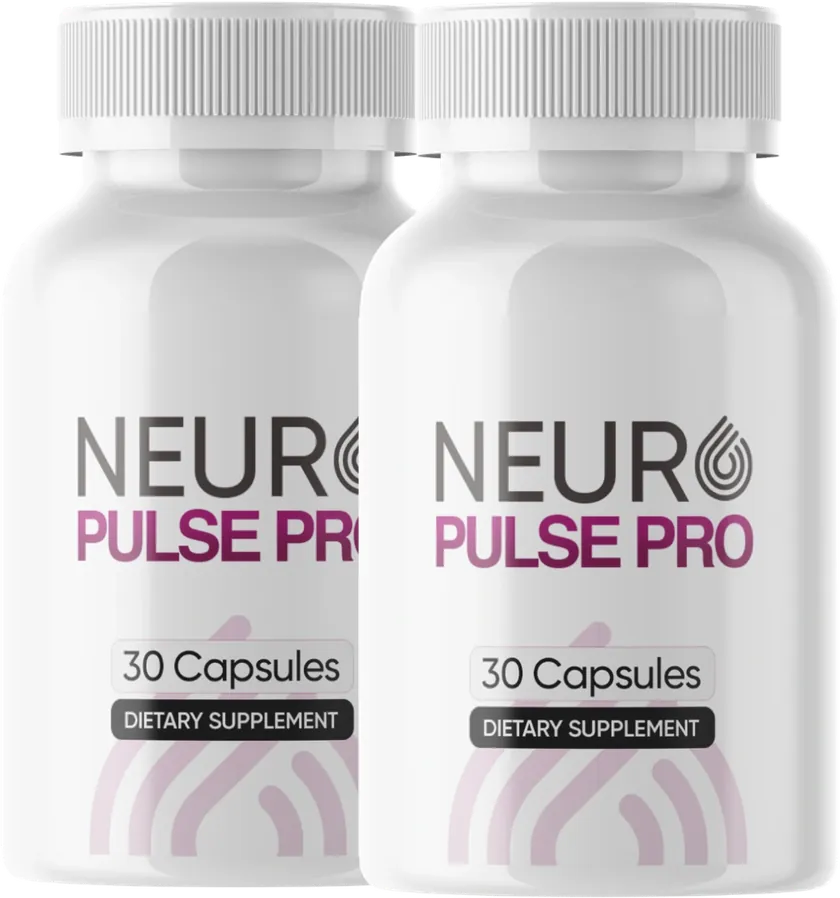
Most people read a supplement label from the top. Try the bottom first. The last lines hold the blend, the other ingredients and the allergen note, and they often tell you more than the vitamin rows above them.
Below are seven things the Neuro Pulse Pro Supplement Facts panel tells you, in the order that is most useful for a buyer. Every amount is per capsule and comes from the label. The comparison figures come from the National Institutes of Health fact sheets named in our sources.
What is in the proprietary blend, and why does it come first?
We start with the blend because it is the part you cannot check. The label gives 179.5 mg as one number for all 11 ingredients. The Daily Value is marked as not established.
The 11 are PABA, horsetail extract, fo-ti root, bamboo leaf extract, stinging nettle, Chinese peony root, spirulina, saw palmetto, plant sterols from soybean, alfalfa and barley grass. A proprietary blend lets a maker list the total weight without showing each part. Operation Supplement Safety notes that this makes a consumer's exposure to any one ingredient impossible to know (Operation Supplement Safety, 2023).
In plain terms: if the blend were split evenly, each ingredient would be a small slice of 179.5 mg. But the label does not say it is split evenly, and we will not guess.
| Ingredient | Typical use | Amount |
|---|---|---|
| PABA | Marketed as 'vitamin Bx' for skin and hair; not a recognized essential vitamin | Not published |
| Horsetail extract | A plant rich in silica, found in hair and nail products | Not published |
| Fo-ti root | A traditional Chinese root found in hair-color and hair-health products | Not published |
| Bamboo leaf extract | A silica source in hair, skin and nail formulas | Not published |
| Stinging nettle | Studied mostly for prostate and urinary symptoms | Not published |
| Chinese peony root | A traditional herb in women's-health and skin formulas | Not published |
| Spirulina | A blue-green algae added as a general nutrient source | Not published |
| Saw palmetto | Mostly researched for prostate symptoms and hair loss, not for nerves | Not published |
| Plant sterols (soy) | Plant compounds, and the label's soy source | Not published |
| Alfalfa herb | A traditional general nutritional additive | Not published |
| Barley grass | A cereal grass in green-blend products | Not published |
Why is biotin 2,500 mcg the biggest number on the label?
One capsule holds 2,500 mcg of biotin, which is 8,333.5% of the Daily Value. The National Institutes of Health sets an Adequate Intake of 30 mcg a day for adults. The capsule is about 83 times that figure (National Institutes of Health, 2022).
No Tolerable Upper Intake Level exists for biotin, because it has not been shown to be toxic at high doses. The real catch is practical. Biotin can make some lab tests read wrong, including thyroid and troponin tests, and the FDA has warned about troponin (U.S. Food and Drug Administration, 2022).
Tell your doctor and the lab that you take biotin before any blood test. The biotin and lab tests article goes deeper.
Key facts
- Serving size: 1 capsule. Servings per container: 30.
- Biotin is the biggest number: 2,500 mcg, or 8,333.5% of the Daily Value.
- The four B vitamins on the panel sit at 187-250% DV, and pantothenic acid at 300% DV.
- Iron is 7.25 mg (40.5% DV). Magnesium is 60 mg, zinc is 3.62 mg.
- The proprietary blend is 179.5 mg for 11 ingredients. Individual amounts: not published.
- Other ingredients: rice flour, hypromellose, magnesium stearate and silicon dioxide. Contains soy.
- Not on the label: alpha-lipoic acid, benfotiamine or acetyl-L-carnitine.
What do the B vitamins on the panel add up to?
Four B vitamins matter most for the nerve story: thiamin (3 mg), vitamin B6 (4 mg), folate (748 mcg DFE, which includes 440 mcg of folic acid) and vitamin B12 (6 mcg). Pantothenic acid is 15 mg, and biotin is the big one above.
These are all above the reference intakes, but not near an established upper limit. The B6 upper limit is 100 mg a day, and the limit for synthetic folic acid is 1,000 mcg a day. B12 and thiamin have no upper limit set (National Institutes of Health, 2023).
| Nutrient | In one capsule | Reference from NIH ODS |
|---|---|---|
| Biotin | 2,500 mcg | Adequate Intake 30 mcg a day; no upper limit set |
| Vitamin B12 | 6 mcg | RDA 2.4 mcg a day; no upper limit set |
| Vitamin B6 | 4 mg | RDA 1.3-1.7 mg a day; upper limit 100 mg a day |
| Thiamin (B1) | 3 mg | RDA about 1.1-1.2 mg a day; no upper limit set |
| Folate | 748 mcg DFE (440 mcg folic acid) | RDA 400 mcg DFE a day; folic acid upper limit 1,000 mcg a day |
| Iron | 7.25 mg | RDA 8-18 mg a day; upper limit 45 mg a day |
Which minerals are in each capsule?
The label lists calcium (40 mg, 3% DV), iron (7.25 mg, 40.5% DV), magnesium (60 mg, 14.5% DV), zinc (3.62 mg, 33% DV), manganese (2 mg, 87% DV) and potassium (47 mg, 1% DV). Vitamins A, C, D and E complete the sixteen.
Iron deserves a second look. Many adult men and post-menopausal women do not need extra iron, and people with iron-overload conditions should avoid it. Iron products can seriously harm young children, so the label's keep-out-of-reach line is serious (National Institutes of Health, 2025).
What ingredients are missing from the label?
A nerve-support name leads many shoppers to expect nerve-specific ingredients. Alpha-lipoic acid, benfotiamine and acetyl-L-carnitine are the usual examples. None of the three appears on this label.
A Cochrane review found too little evidence to say that B vitamins treat peripheral neuropathy (Ang et al., 2008). B vitamins support normal nerve function, and they help most when someone is low in them.
So the honest summary is that the formula looks closer to a hair, skin and nail multivitamin with extra B vitamins than to a dedicated nerve formula.
What are the other ingredients, and is there an allergen?
The shell and fillers are rice flour, hypromellose (the vegetable capsule), magnesium stearate (vegetable) and silicon dioxide. The label says it contains soy, and the soy source is the plant sterols in the blend.
If you have a soy allergy, do not take this product. If you take other supplements, add up biotin, iron, B6 and folic acid first, so two products do not stack past a limit.
How do you read the percent Daily Value and DFE terms?
Percent Daily Value compares a capsule with a reference daily amount. A number far above 100%, like 8,333.5% for biotin, means the dose is many times the reference. It does not by itself mean harm, and it does not mean benefit.
DFE stands for dietary folate equivalents. The label shows 748 mcg DFE, which includes 440 mcg of folic acid, the synthetic form. The two asterisks beside the blend say the Daily Value is not established.
When you see a number you do not understand, ask a pharmacist or your doctor. That costs little and avoids guesswork.
Frequently asked questions
What are the NeuroPulse Pro ingredients?
Sixteen vitamins and minerals with printed amounts, including biotin 2,500 mcg, thiamin 3 mg, B6 4 mg, folate 748 mcg DFE and B12 6 mcg, plus a 179.5 mg blend of 11 herbs and plant extracts.
How much fo-ti or horsetail does one capsule hold?
Not published. Both sit inside the 179.5 mg blend, and the label gives only the combined weight.
Does it contain alpha-lipoic acid or benfotiamine?
No. Neither appears on the label, and neither does acetyl-L-carnitine. These are the ingredients usually found in dedicated nerve formulas.
Does the capsule contain soy?
Yes. The label states that it contains soy, and the blend includes plant sterols from soybean.
Is 2,500 mcg of biotin safe?
No upper limit has been set for biotin, so it is not known to be toxic. The practical risk is that it can skew some lab tests. Mention it to your doctor and the lab before any blood test.
Where can I see the label panel?
On the Supplement Facts page of this site, which transcribes the panel, and on the label photo on the sales page.
Our view
The ingredient list is open where it counts least and closed where it counts most. Every vitamin and mineral has a number. The blend, which carries the herbs with the sharpest safety notes, has none.
If you want a plain one-a-day multivitamin-style capsule with extra B vitamins and biotin, the open half of the label gives you what you need to decide. If you want to know exactly what the herbs contribute, the label cannot tell you. Ask your doctor, and ask the seller about blend amounts in writing.
Last updated