Biotin and Lab Tests: Why a Vitamin Can Throw Off a Blood Test
High-dose biotin can skew lab tests, including troponin (heart attack) and thyroid tests, because those assays use biotin-based chemistry. The FDA warns this has caused falsely low troponin results and one reported death from a missed diagnosis. Neuro Pulse Pro's 2,500 mcg is not a known toxicity risk, but tell your clinician and lab before any blood test; ask how long to pause biotin.
Biotin and lab tests: why one vitamin can throw off a blood test
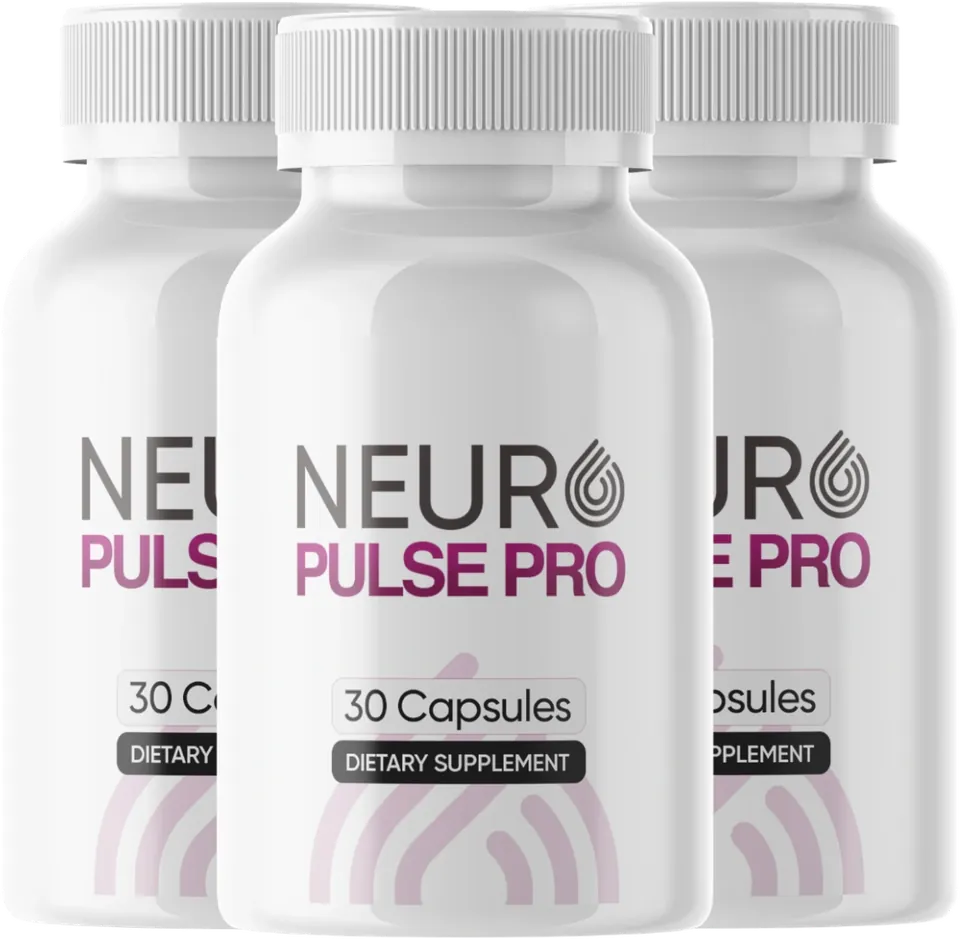
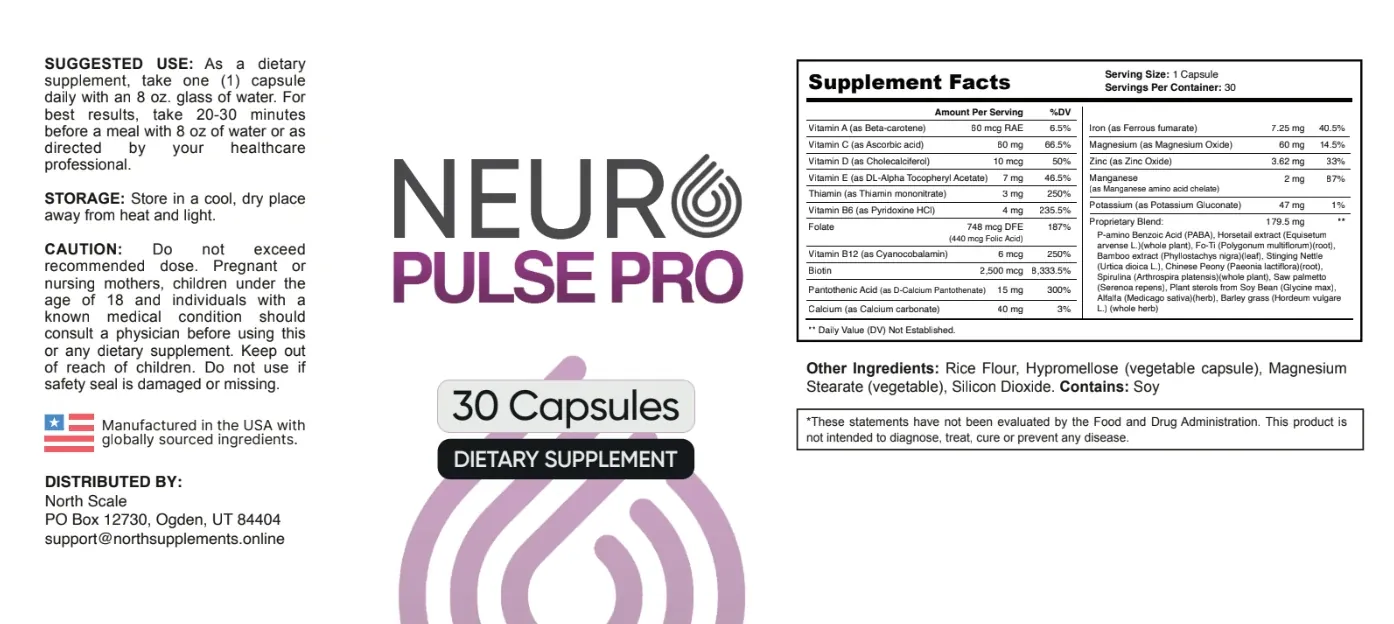
Biotin is the single biggest number on the Neuro Pulse Pro label: 2,500 mcg, or 8,333.5% of the Daily Value, in one capsule. That amount is not a known toxicity risk by itself. It is, however, a well-documented reason blood tests can come back wrong.
This guide covers why biotin interferes with certain lab tests, the FDA's specific warning about troponin (the blood test used to check for a heart attack), what it means for thyroid testing, and what to actually tell your clinician and the lab before you have blood drawn.
Why does high-dose biotin skew lab tests?
Many common lab tests, including several thyroid tests and some troponin (cardiac) assays, use a lab method called a biotin-streptavidin immunoassay. It relies on biotin binding tightly to a protein called streptavidin as part of the test's chemistry (National Institutes of Health, 2022).
Taking a biotin supplement floods the bloodstream with far more biotin than the assay expects. That extra biotin competes with the test's own chemistry, which can push a result artificially high or artificially low depending on how the specific test is built (National Institutes of Health, 2022). The problem is the testing method itself, not something wrong with the person's health.
NIH ODS notes this is not a small effect at a large dose: a single 10 mg (10,000 mcg) dose of biotin interfered with thyroid test results within 24 hours in reported cases (National Institutes of Health, 2022).
What is the FDA's troponin warning about biotin?
The FDA has continued to receive reports of biotin supplements causing falsely low troponin results on specific FDA-cleared test devices, and its safety page lists more than a dozen troponin assays that remain subject to this interference without a fix in place (U.S. et al., 2022).
Troponin is the blood test doctors use to check whether someone is having a heart attack. A falsely low result is the dangerous direction: NIH ODS reports that biotin interference has already been linked to at least one death, tied to a falsely low troponin result and a missed diagnosis (National Institutes of Health, 2022).
The FDA's advice is direct: anyone taking a biotin supplement should tell their healthcare provider, especially before any blood test, and especially in an emergency room or urgent-care setting where a troponin test is common (U.S. et al., 2022).
Does biotin affect thyroid tests too?
Thyroid testing is the other lab area NIH ODS calls out directly. Biotin has interfered with thyroid panels closely enough to cause a false diagnosis of Graves' disease or hyperthyroidism in reported cases (National Institutes of Health, 2022).
| Test | What biotin can do | Why it matters |
|---|---|---|
| Troponin (cardiac) | Can read falsely low | May delay or miss a heart attack diagnosis |
| Thyroid panel (TSH, T3, T4) | Can read falsely abnormal | Can lead to a false hyperthyroidism diagnosis |
| Other immunoassay-based tests | Effect varies by specific assay design | The lab, not the patient, needs to know which method it uses |
Not every lab test uses this kind of chemistry, and not every biotin-affected assay is affected the same way. That is exactly why guessing is not a good plan; the lab running the test knows which method it uses and can flag or adjust for biotin interference if it knows to look for it.
Neuro Pulse Pro's 2,500 mcg, in context
NIH ODS sets the Adequate Intake for biotin at just 30 mcg a day for adults, and no Tolerable Upper Intake Level has been set, because biotin has not been shown to be directly toxic even at high intakes (National Institutes of Health, 2022).
| Detail | Number |
|---|---|
| Adult Adequate Intake (AI) | 30 mcg/day |
| Adult Tolerable Upper Intake Level (UL) | None established |
| Neuro Pulse Pro, per capsule | 2,500 mcg (8,333.5% DV) |
| Multiple of the AI | About 83 times the 30 mcg/day AI |
| Dose linked to lab test interference in reports | As low as a single 10 mg (10,000 mcg) dose |
So the 2,500 mcg dose itself is not the kind of number that raises a toxicity flag; there simply is no established ceiling for biotin toxicity. The risk that matters here is entirely about lab test accuracy, not about the vitamin harming the body directly. For where biotin sits next to every other ingredient on the label, see the Supplement Facts breakdown or the full ingredients page.
What should you tell your clinician and the lab?
There is no single confirmed number of days to stop biotin before a blood test in the sources we checked, and this page will not invent one. The right move is to ask, every time, rather than guess:
Tell your clinician you take a biotin supplement
Mention it at any appointment, and especially before any blood draw, an ER visit, or a scheduled procedure.
Mention the dose
Say roughly how much biotin you take daily. A Neuro Pulse Pro capsule is 2,500 mcg; if you also take a separate biotin or hair, skin and nail product, add those amounts together.
Ask the lab directly
Ask whether the specific test you are having, especially troponin or a thyroid panel, uses an assay known to be affected by biotin, and whether you should pause the supplement first and for how long.
Follow their timing, not a general rule
How long to pause, if at all, depends on the specific test and assay. Ask your clinician or the lab for their guidance rather than relying on a number from an ad or a forum (U.S. et al., 2022).
This matters most in an emergency, when a fast, accurate troponin result can change treatment. Keeping the supplement bottle, or at least remembering the brand and dose, makes that conversation faster.
Should biotin's lab-test effect worry you?
Biotin itself is a low-toxicity vitamin; NIH ODS has not set an upper limit because high intakes have not been shown to directly harm the body (National Institutes of Health, 2022). The real, well-documented risk with a 2,500 mcg dose like this one is that it can make certain lab tests, especially troponin and thyroid tests, read wrong (U.S. et al., 2022).
That risk is easy to manage: tell your clinician and the lab that you take a biotin supplement, and how much, every time you have blood drawn. Do not assume a pause of any specific length is safe without asking, since the right answer depends on the exact test being run.
For the rest of the formula, including the B vitamins and the unlabeled herbal blend, see B vitamins and nerve health and proprietary blends explained. Our full side effects page covers every caution on the label, and FAQ answers common questions about ordering and use.
Questions readers ask
Why does biotin affect blood test results?
Many lab tests use biotin-based chemistry (a biotin-streptavidin immunoassay). A biotin supplement adds far more biotin to the blood than the test expects, which can push results falsely high or low, depending on the specific test (National Institutes of Health, 2022).
What is the FDA's warning about biotin and troponin?
The FDA has received ongoing reports of biotin causing falsely low troponin results on specific test devices, and warns this can delay or miss a heart attack diagnosis. It advises telling your healthcare provider about biotin use before any blood test (U.S. et al., 2022).
Can biotin cause a false thyroid diagnosis?
Yes. NIH ODS reports biotin has interfered with thyroid tests closely enough to cause a false diagnosis of Graves' disease or hyperthyroidism in reported cases (National Institutes of Health, 2022).
Is 2,500 mcg of biotin dangerous on its own?
No known toxicity level has been set for biotin; NIH ODS has not established an upper limit because high intakes have not been shown to directly harm the body (National Institutes of Health, 2022). The documented risk is lab test interference, not toxicity.
How many days should I stop biotin before a blood test?
There is no single confirmed number of days in the sources we checked. Ask your clinician or the lab; the right timing depends on the specific test and assay being used.
Should I tell my doctor I take a biotin supplement?
Yes, every time, especially before any blood draw, an ER visit, or before a troponin or thyroid test. Mention the brand and roughly how much biotin you take daily.
Does every blood test use biotin-based chemistry?
No. The effect depends on the specific assay a lab uses. That is why the lab needs to know you take biotin, so it can flag or adjust for a test method known to be affected.
What other Neuro Pulse Pro ingredients are worth knowing about?
See our guides to B vitamins and nerve health and proprietary blends explained for the rest of the formula.
Keep reading
B vitamins and nerve health
What thiamin, B6, B12 and folate do for nerves, who runs low, B6 toxicity, folic acid masking B12, the Cochrane review, ...
Read →Proprietary blends explained
What a proprietary blend is, why individual amounts matter, what's inside Neuro Pulse Pro's 179.5 mg blend, the fo-ti li...
Read →How much does Neuro Pulse Pro cost?
Pack sizes, days of supply and how to pick the right one.
Read →Order Neuro Pulse Pro from the authorized retailer
30 capsules per bottle, 1 a day. Packs of 2, 3 or 6 bottles run from $49 a bottle on the sales page, with a 180-day money-back guarantee. Order questions go through the contact page on the official sales site.