Nerve Comfort Guide: Causes, Red Flags and Daily Habits
Tingling or numb feet usually trace back to diabetes, low vitamin B12, alcohol, certain medicines, or pressure on a nerve. New, spreading or one-sided numbness, weakness, or a foot wound that will not heal needs a clinician first. Foot checks, steady blood sugar, movement and good footwear help more than any capsule. A B-vitamin supplement can fit in mainly if a blood test shows you are actually low.
What usually causes tingling or numb feet?
Tingling, burning or numb feet have a short list of common causes. None of them can be told apart just by how the feet feel, which is why a clinician, not a guess, should sort out which one applies to you.
| Cause | Why it happens |
|---|---|
| Diabetes | High blood sugar over time can damage the small nerves in the feet, a pattern called diabetic peripheral neuropathy. |
| Low vitamin B12 | B12 is needed for healthy nerves. A real deficiency can cause numbness and tingling that improves once B12 is corrected. |
| Alcohol | Heavy, regular drinking can injure nerves directly and can also lead to a thiamin (vitamin B1) deficiency, a classic cause of nerve damage. |
| Some medicines | A few common drugs affect nerves or vitamin levels. Metformin, for example, can lower B12 absorption over years of use. |
| Pressure on a nerve | Sitting cross-legged, tight shoes, or a pinched nerve in the back can cause temporary or lasting tingling in the feet. |
More than one cause can be at work at once. A person with diabetes who also drinks regularly, or who has taken metformin for years, may have more than one thing to sort out with a doctor, not just one.
Red-flag symptoms that need care now
numbness or tingling that is new, spreading, or on one side only; new weakness in a foot or leg; a foot sore, blister or wound that will not heal; or sudden, severe symptoms. These need a medical check, not a wait-and-see approach with a supplement.
None of this is meant to alarm you. Most nerve symptoms are not an emergency. But a clinician can run blood tests, check reflexes and sensation, and look at your medicine list in a way no article or bottle label can. That work has to come before any supplement, foot-care routine or shoe change can actually help.
- New or spreading numbness
- Symptoms on one side of the body only
- New weakness when you walk or stand
- A foot wound, blister or sore that is not healing
- Sudden, severe or fast-worsening symptoms
Foot care habits that matter
Daily foot checks catch small problems before they become big ones, especially if a nerve issue means you cannot always feel a cut or blister forming.
- Look over both feet every day, including between the toes and the soles
- Wash and dry feet fully, especially between the toes, to avoid skin breakdown
- Moisturize dry skin, but skip the area between the toes to avoid extra moisture there
- Trim nails straight across and file sharp corners to avoid ingrown nails
- Bring any cut, blister, redness or color change to a clinician promptly, rather than waiting
Why blood sugar control matters for nerve comfort
Steady blood sugar is one of the biggest levers for nerve comfort in people with diabetes or prediabetes. Sustained high blood sugar is a well-known driver of nerve damage in the feet and legs over time, and keeping it in range is the single change with the strongest evidence behind it.
That does not mean a perfect number every day. It means working with a clinician on a realistic target, taking medicine as prescribed, and tracking your levels if your care plan calls for it. A supplement label, including this one, is not a blood-sugar plan and should not replace one.
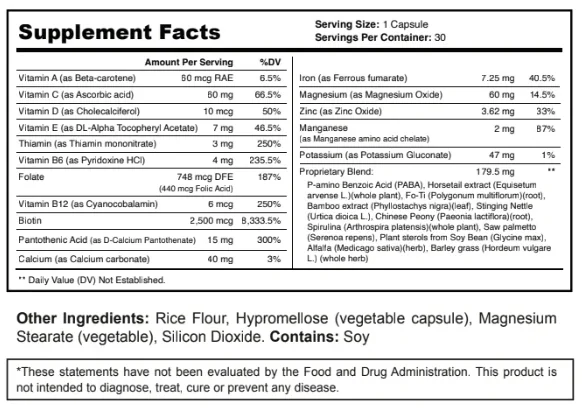
If you already take metformin, mention it at your next visit: it can lower B12 levels over years of use, and a simple blood test can check whether that has happened to you. Our Supplement Facts page shows exactly what one Neuro Pulse Pro capsule adds on top of your diet, so you can compare it against what your clinician recommends.
How movement helps nerve comfort
Regular movement supports circulation, which feeds the nerves in your feet and legs. You do not need an intense routine to get the benefit.
What tends to help
- A short walk most days, even 10-15 minutes
- Gentle ankle and toe stretches if you sit for long periods
- Standing up and moving every hour at a desk job
- Checking with a clinician before starting a new routine if you have numbness
What to watch for
- Pushing through new pain instead of getting it checked
- Ignoring a foot injury because you cannot feel it well
- Long stretches of sitting with legs crossed or a foot tucked under you
If numbness already affects your balance, ask a clinician or physical therapist about safe ways to stay active. The goal is steady movement you can keep up, not a hard workout that risks a fall.
Footwear habits worth building
Footwear matters more than most people expect, especially if feeling in your feet is reduced. A shoe that rubs or presses can cause a wound you do not notice until it is already a problem.
| Footwear habit | Why it helps |
|---|---|
| Shoes that fit through the whole day, not just at the store | Feet can swell during the day; a snug morning fit can pinch by evening |
| Check the inside of shoes for seams, gravel or wear before you put them on | Small debris or a worn lining can cause a wound you cannot feel |
| Change socks daily and choose a breathable, well-fitting pair | Damp or bunched socks add friction and moisture against the skin |
| Avoid going barefoot, even at home | Reduced feeling makes it easy to step on something and not notice |
None of this replaces a proper fitting from a clinician or a shoe fitter if you already have diagnosed nerve damage. It is a starting point for the daily habits around footwear.
Should you get your B12 tested?
A simple blood test is the only reliable way to know if low B12 is part of your picture. Vitamin B12 deficiency can cause numbness and tingling, along with fatigue and other symptoms, and correcting a real deficiency is one of the more reliably helpful steps for nerve symptoms tied to B12 (National Institutes of Health, 2025).
People at higher risk of low B12 include those on long-term metformin, older adults, strict vegans and vegetarians, and anyone with a condition that affects absorption in the gut. If any of that describes you, ask your clinician for a B12 test before assuming a multivitamin has you covered. Our side effects page covers what to watch for if you start any nerve support capsule while you wait on results.
- A blood test, not guesswork, confirms whether B12 is actually low
- Metformin, older age, a vegan or vegetarian diet, and some gut conditions raise the risk of low B12
- Correcting a real B12 deficiency is one of the clearer wins for nerve-related numbness and tingling
Where a B-vitamin supplement honestly fits
A B-vitamin supplement fits honestly into this picture in one place: correcting an actual shortfall. If a blood test shows you are low in B12, thiamin (B1) or another B vitamin, a daily capsule that supplies those nutrients can help bring levels back up over weeks.
A 2008 Cochrane systematic review looked at whether B-vitamin supplementation helps peripheral neuropathy and found the trial evidence too limited to draw a firm conclusion either way (Ang et al., 2008). Heavy, regular alcohol use is also a well-documented path to thiamin deficiency and nerve damage, since thiamin deficiency (beriberi) is a long-established cause of peripheral neuropathy (National Institutes of Health, 2023).
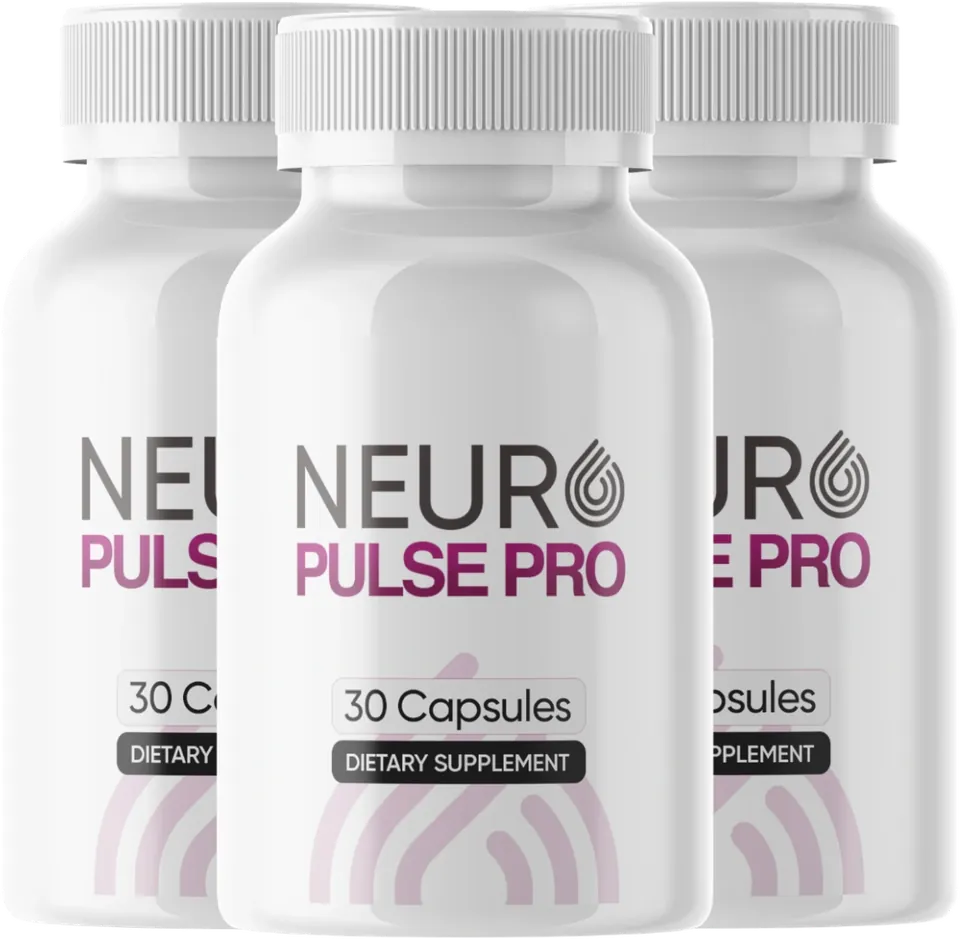
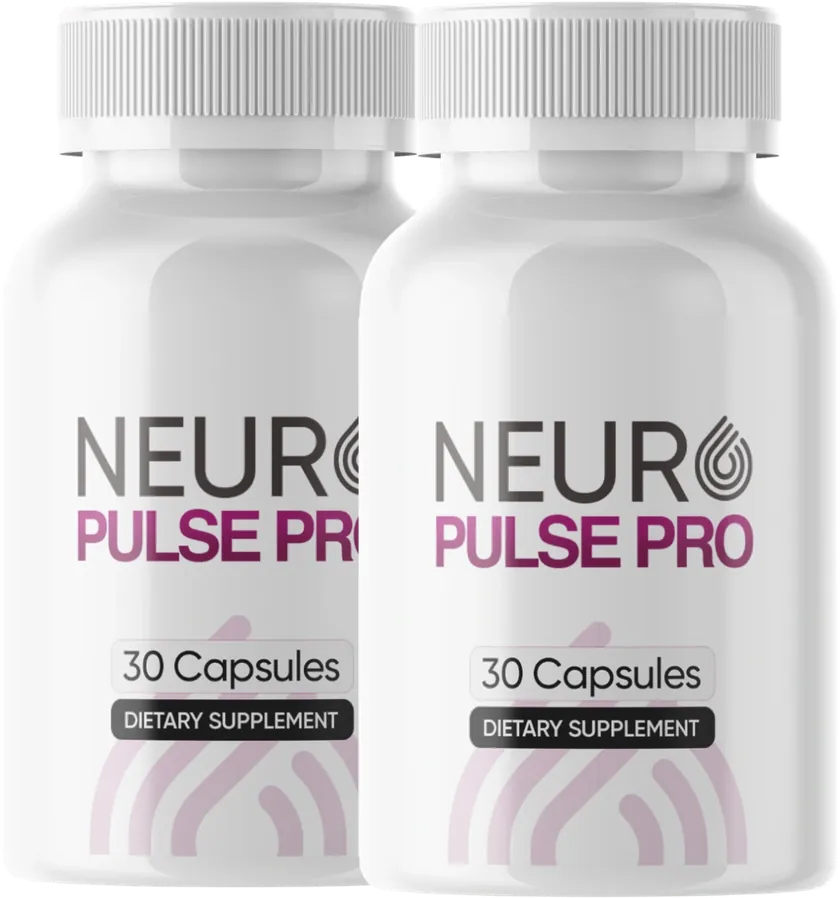
Neuro Pulse Pro is one example of this kind of capsule: one a day supplies thiamin, B6, B12 and folate well above the daily need, alongside biotin, minerals and an herbal blend. It is not a substitute for testing or for a clinician's care, and the sales page's nerve comfort wording is the seller's description, not a proven effect. See our honest buyer checklist before choosing any nerve support product, or the full Neuro Pulse Pro ingredients breakdown. A 2-bottle starter kit runs $158 on the sales page if you want to see how a routine fits around habits like these.
- Best fit: you have a confirmed shortfall in a B vitamin, especially B12
- A capsule works alongside foot care, blood sugar control, movement and footwear, not instead of them
- It is not a treatment for neuropathy and does not replace a clinician's evaluation
Nerve Comfort Guide: common questions
What usually causes tingling or numb feet?
Diabetes, low vitamin B12, alcohol, some medicines and pressure on a nerve are the most common causes.
When should I see a doctor about numb feet?
If numbness is new, spreading or one-sided, if you have new weakness, or if you have a foot wound that will not heal.
Can metformin cause low B12?
Yes. Metformin can lower B12 absorption over years of use, which is one reason to ask for a B12 test if you take it long-term (National Institutes of Health, 2025).
Does blood sugar control help nerve comfort?
Yes, for people with diabetes or prediabetes. Sustained high blood sugar is a well-known driver of nerve damage over time.
How does alcohol affect nerves?
Heavy, regular drinking can injure nerves directly and can cause a thiamin (vitamin B1) deficiency, a classic cause of nerve damage.
Do B-vitamin supplements treat neuropathy?
A Cochrane review found the evidence too limited to say whether B-vitamin supplementation helps peripheral neuropathy.
What footwear habits help reduced foot sensation?
Shoes that fit all day, checking the inside before you put them on, dry breathable socks, and avoiding going barefoot.
Should I get tested before taking a B-vitamin capsule?
It is a good idea, especially if you take metformin, are older, eat a vegan or vegetarian diet, or have a gut condition that affects absorption.
Keep reading
How do I choose a nerve support supplement?
A checklist for comparing any product, not just Neuro Pulse Pro.
Read →What are the ingredients in Neuro Pulse Pro?
Ten key ingredients, one at a time, with research doses and evidence.
Read →What are the Neuro Pulse Pro side effects?
Interaction notes for biotin, fo-ti, iron and the herbal blend.
Read →Order Neuro Pulse Pro from the authorized retailer
30 capsules per bottle, 1 a day. Packs of 2, 3 or 6 bottles run from $49 a bottle on the sales page, with a 180-day money-back guarantee. Order questions go through the contact page on the official sales site.